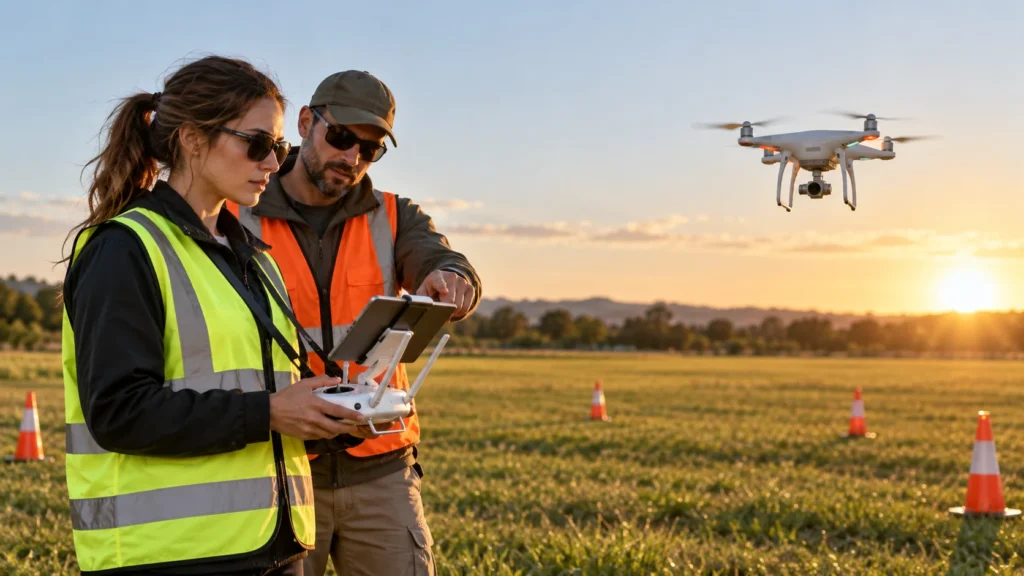
Quick summary: If you want to know how to become a drone pilot for work in the United States, start here. You need an FAA Remote Pilot Certificate under Part 107. You must be at least 16, read and speak English, and be in a physical and mental condition to fly safely. Then you pass the FAA’s knowledge test at an approved testing center, apply through the FAA’s online system, and clear a TSA background check.
What is FAA Part 107?
Part 107 is the Federal Aviation Administration’s rule for flying small drones for work. According to the FAA, it covers commercial and government uses of drones weighing less than 55 pounds.
Why you need a Part 107 certificate
Flying a drone for fun and flying one for work are two different things in the eyes of the FAA. If you’re flying for a business, a client, or a paycheck, you need a Remote Pilot Certificate under Part 107. Most people call it a commercial drone license.
That certificate is the entry ticket for drone work. Without it, you can’t legally fly commercially, however good your stick skills are.
| Recreational flying | Commercial flying (Part 107) | |
|---|---|---|
| Purpose | Personal enjoyment only | Work, business, or client projects |
| Test | The Recreational UAS Safety Test (TRUST), free and online | The FAA’s UAG knowledge test at an approved testing center |
| What you carry | Proof you passed TRUST | Your Remote Pilot Certificate |
The FAA’s recreational flyer rules say getting paid isn’t what decides whether a flight is recreational. Taking photos to sell a property counts as non-recreational, for example. When in doubt, the FAA says to assume Part 107 applies.
Who can become a drone pilot?
According to the FAA’s Become a Certificated Remote Pilot page, a first-time pilot must:
- Be at least 16 years old
- Be able to read, speak, write, and understand English
- Be in a physical and mental condition to safely fly a drone
- Pass the initial aeronautical knowledge exam, called Unmanned Aircraft General, Small (UAG)
You don’t need a college degree. You don’t need a traditional pilot’s license either.
How to become a drone pilot, step by step
Here’s the FAA’s process for first-time pilots:
- Get an FAA Tracking Number. Create a profile in IACRA, the FAA’s online application system, before you register for the test.
- Schedule the knowledge test. Book an appointment at an FAA-approved Knowledge Testing Center. Bring a government-issued photo ID.
- Pass the test. The initial exam is the Unmanned Aircraft General, Small (UAG).
- Apply for your certificate. Complete FAA Form 8710-13 in IACRA and enter the 17-digit exam ID from your test. Results can take up to 48 hours to show up.
- Clear the TSA background check. You’ll get an email when it’s done, with instructions to print a temporary certificate.
- Get your permanent certificate. The FAA mails it once processing is complete.
Once you have it, keep your certificate with you whenever you fly.
What’s on the Part 107 test?
The initial exam is the FAA’s Unmanned Aircraft General, Small (UAG) knowledge test. It checks the aeronautical knowledge you need to operate a drone safely under Part 107.
The FAA’s knowledge testing matrix lists the UAG test at:
- 60 questions
- Two hours to finish
- A minimum passing score of 70
Testing centers charge a fee. PSI, which runs FAA knowledge testing, lists its FAA test vouchers at $175 plus tax.
Don’t plan to wing it. Use a Part 107 study guide or a training program, and take a Part 107 practice test before you book the real one. Then pair it all with real flight time. The rules make more sense when you’re the one holding the controller.
Keeping your certificate current
A Part 107 certificate doesn’t last forever without work. The FAA requires certificate holders to complete online recurrent training every 24 calendar months. The FAA lists that recurrent course as free.
Put the date on your calendar the day you’re certified. Letting it lapse means you can’t fly commercially until you’re current again.
Where drone skills fit in a tech career
A Part 107 certificate is a credential you can earn without a four-year degree. Pair it with skills like data, mapping, or equipment maintenance, and you widen the jobs you can go after.
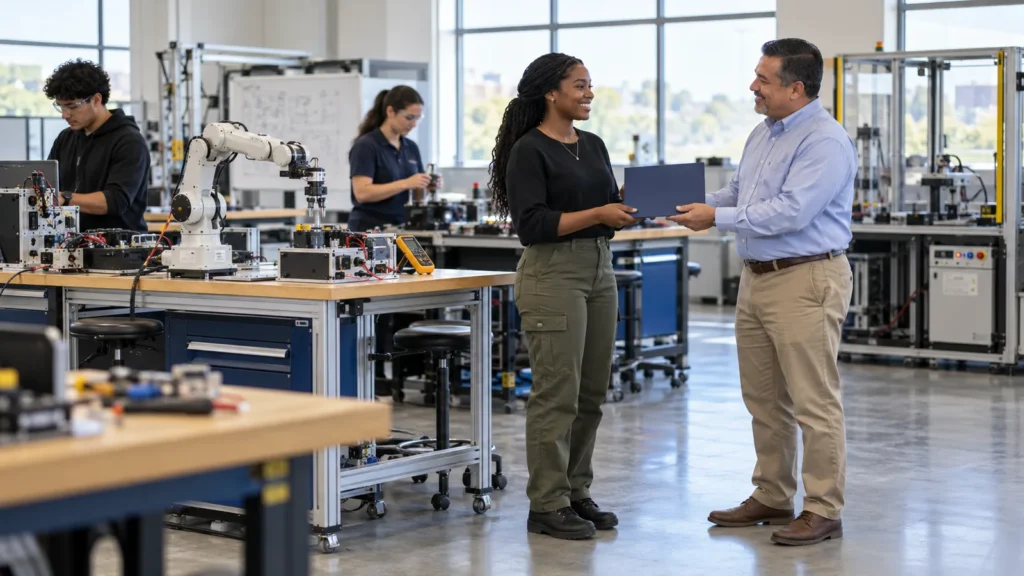
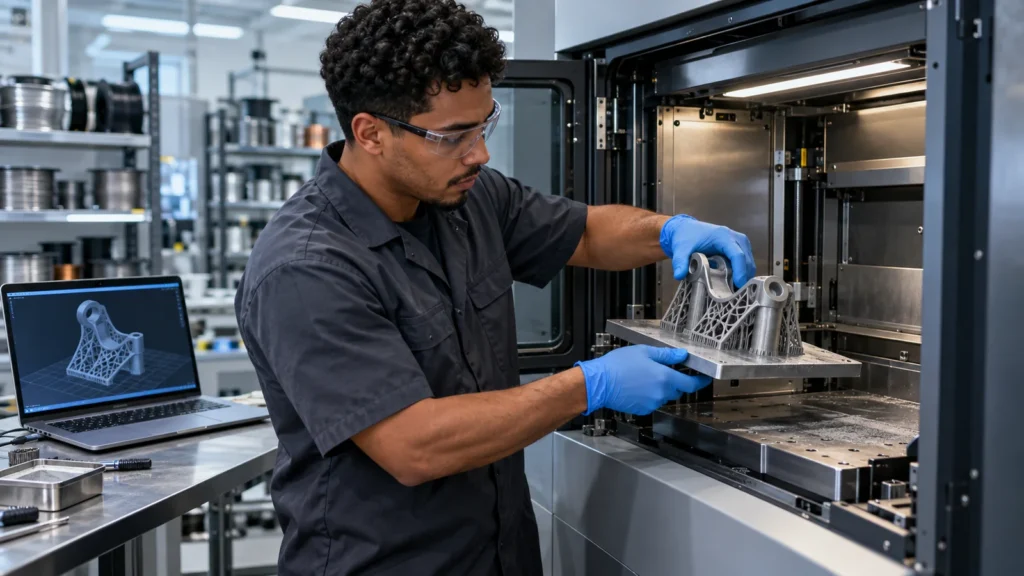
That’s why Illuminate STEM includes Drones and FAA Part 107 in its Workforce Certification Pathways for learners ages 16 and up. It sits alongside robotics, industrial automation, and additive manufacturing.
Frequently asked questions
How old do you have to be to become a drone pilot?
You must be at least 16 years old to earn an FAA Remote Pilot Certificate under Part 107.
Do you need a pilot’s license to fly drones commercially?
No. You need an FAA Remote Pilot Certificate under Part 107, which you earn by passing the FAA’s knowledge test. A traditional pilot’s license isn’t required.
How many questions are on the FAA Part 107 exam?
The FAA lists the UAG knowledge test at 60 questions, with two hours to finish and a minimum passing score of 70.
How often do you need to renew a Part 107 certificate?
You must complete the FAA’s online recurrent training every 24 calendar months to stay current. The FAA lists that course as free.
Start your path to drone certification
If you’re 16 or older and want to fly drones for work, get trained for the test and for real flight time. Explore Illuminate STEM’s Workforce Certification Pathways or email info@illuminatestem.org to ask about the drone program.